On March 28, 2025, UTSEUS successfully organized a corporate salon event, featuring the Dean's Innovation Forum as its centerpiece. The event fostered in-depth discussions on topics including AI technology and engineering innovation, the cultivation of internationally-minded talent, and perspectives on innovation standards from an investment viewpoint. The salon brought together experts from academia, industry, and investment to explore pathways for developing future engineers and building an innovative ecosystem.
Distinguished guests in attendance included: Patrick Berbon, Founder of CM Venture Capital; Gao Lusheng, Board Member of the Shanghai Association of Chief Engineers; Zhu Wenhua, General manager of Akila Technology Co., Ltd.; Lu Binyu, Assistant Manager of International Training Operations, Alibaba Cloud Intelligence Technology Co., Ltd.; Yan Gengzhen, Vice-President Asia Pacific, Panthronics AG; Qiu Junting, Technical Director, Shanghai Middol Information Technology Co., Ltd.; Wu Jiahao, Project Manager, Micropole Technology Co., Ltd.; Liu Xiaotian, Chief Physician, Ruijin Hospital, Shanghai Jiao Tong University School of Medicine; Zheng Jie, Economic Cooperation Division, Jiaxing Bureau of Economy and Information Technology, Zhejiang Province; and Liang Jun, Manager, Western Digital Corporation. Representing UTSEUS were Professor Wang Yong, Executive Dean, and Professor Fabien Pfaender, French Director.
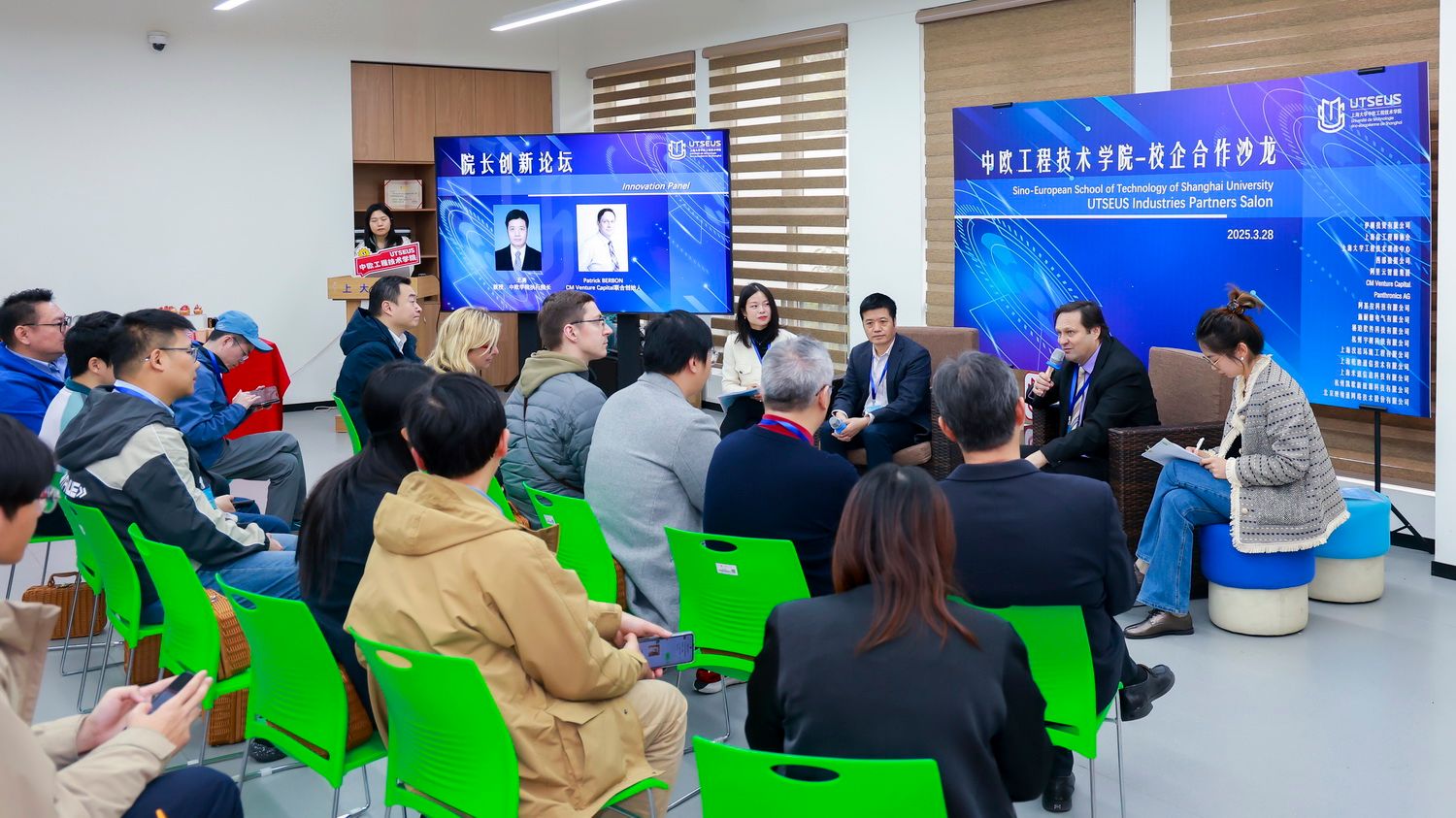
The Innovation Forum, moderated by Cheng Yanyan, Head of Corporate Relations at UTSEUS, focused on practices and reflections regarding the cultivation of innovative, internationally-oriented talent. A keynote dialogue took place between Professor Wang Yong, Executive Dean of UTSEUS, and Mr. Patrick Berbon, Founder of CM Venture Capital.
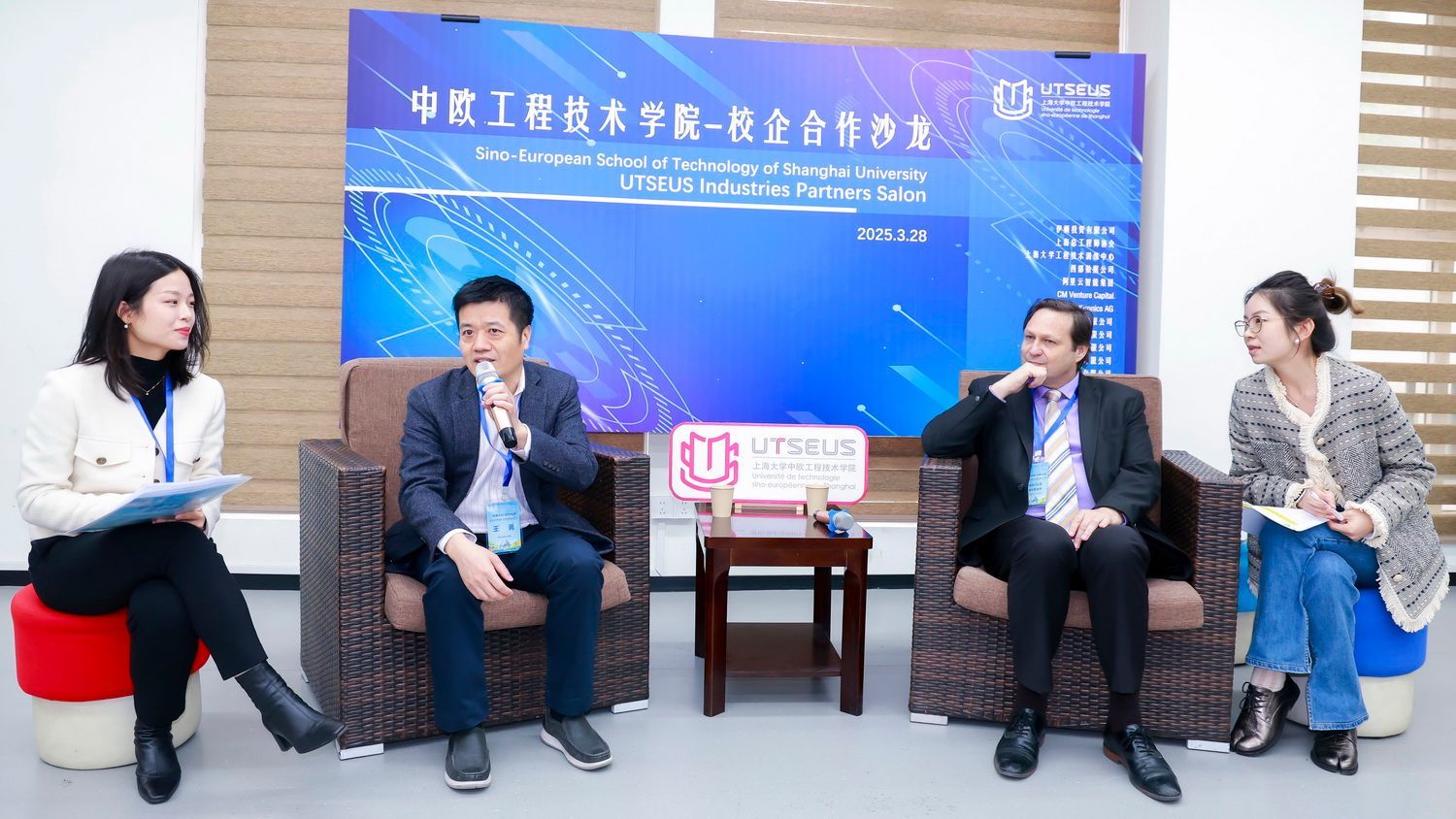
Dean Wang Yong elaborated on the university's strengths in cross-cultural engineering education, highlighting the unique characteristics of UTSEUS as a Sino-French educational institution: "We emphasize developing students' international perspectives, multidisciplinary skills, and practical, innovative spirit. Through models like industry-academia collaboration and joint international projects, we enable students to confront real-world industrial challenges directly." Regarding the significance of "innovation" for engineers' professional development, he stressed: "Innovation is not just a technological breakthrough; it is a systemic approach to problem-solving and a core competitive advantage for future engineers. It represents an upgrade in thinking mode. Engineers need the ability to transform cutting-edge technologies into social value." Commenting on the theme of the innovation competition, "Eyes on the Future," Dean Wang noted: "AI is reshaping the engineering field, and education must evolve in tandem—academically, by promoting the integration of AI with vertical sectors. The university will guide students to explore AI applications in scenarios like smart manufacturing and sustainable energy through curriculum integration and joint laboratory initiatives."
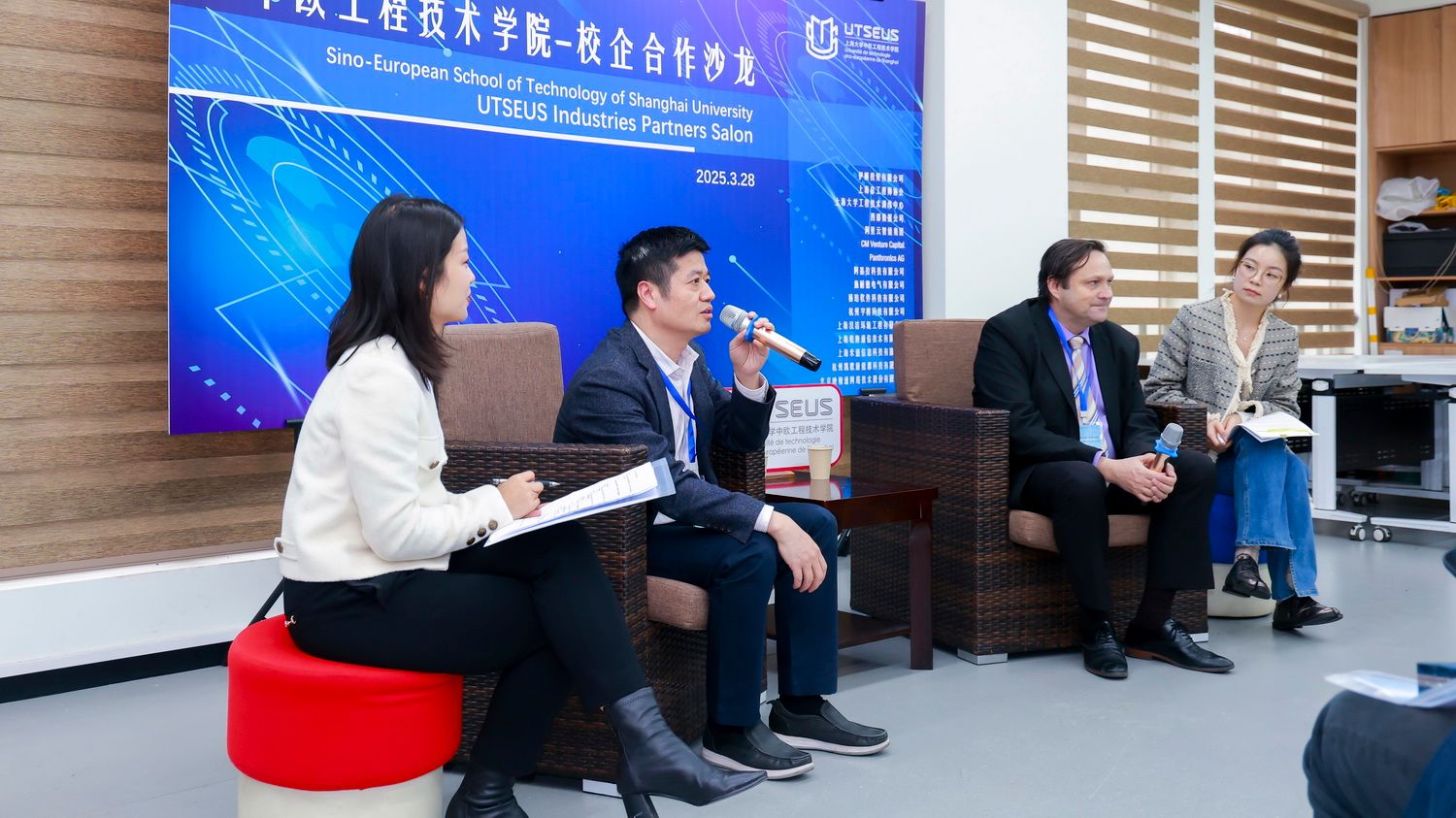
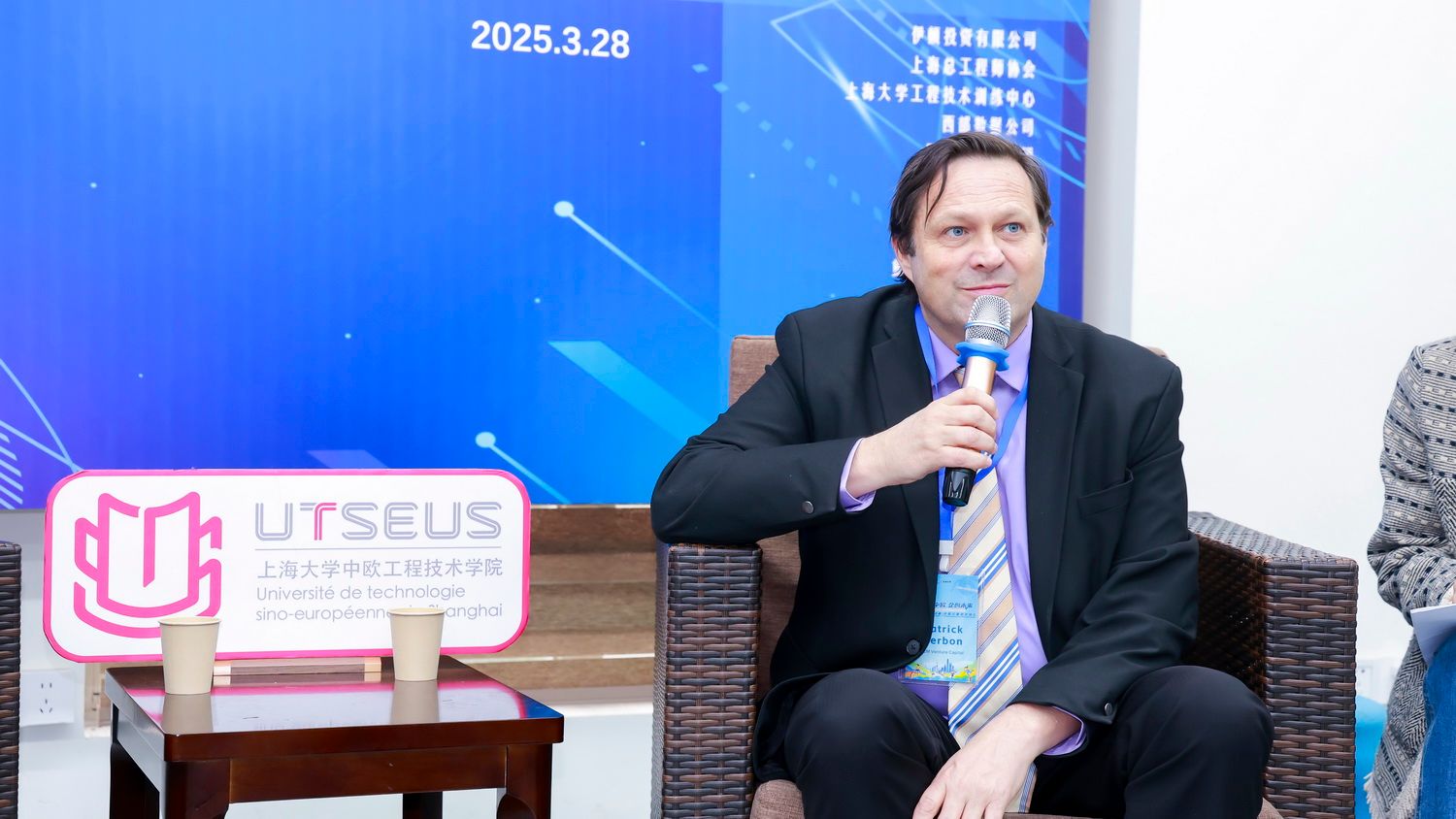
Mr. Patrick Berbon shared insights from an investor's perspective, outlining his investment logic: "Technical feasibility, market potential, and team execution capability are key. When teaching at UTSEUS, I often emphasize that 'R&D' and 'commercialization' are equally important—a product without users is merely an invention." Regarding innovation education, he suggested: "Universities should strengthen practical training in areas like intellectual property protection and business model design to shorten the path from lab to market." During the interactive session, Mr. Berbon even expressed interest in investing in award-winning projects from the competition and offered specific advice. Mr. Zhu Wenhua, General manager of Akila Technology Co., Ltd., shared different perspectives on investing in student projects based on his industry experience, sparking a dynamic exchange of ideas on related topics.
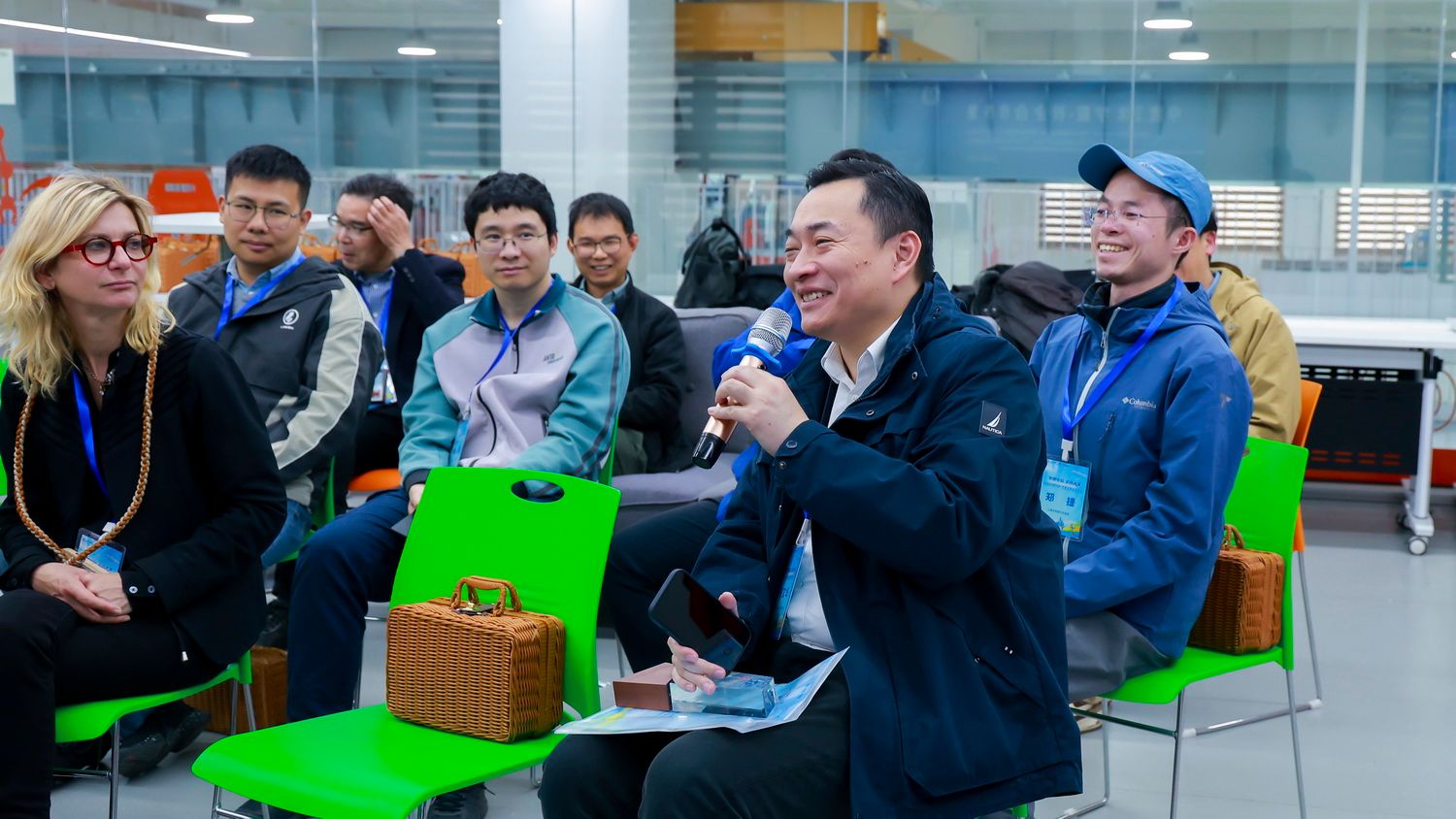
Mr. Gao Lusheng, Board Member of the Shanghai Association of Chief Engineers, analyzed the core competencies of innovative engineers from an industry perspective, proposing a training direction that emphasizes "equal importance of technical depth and cross-disciplinary
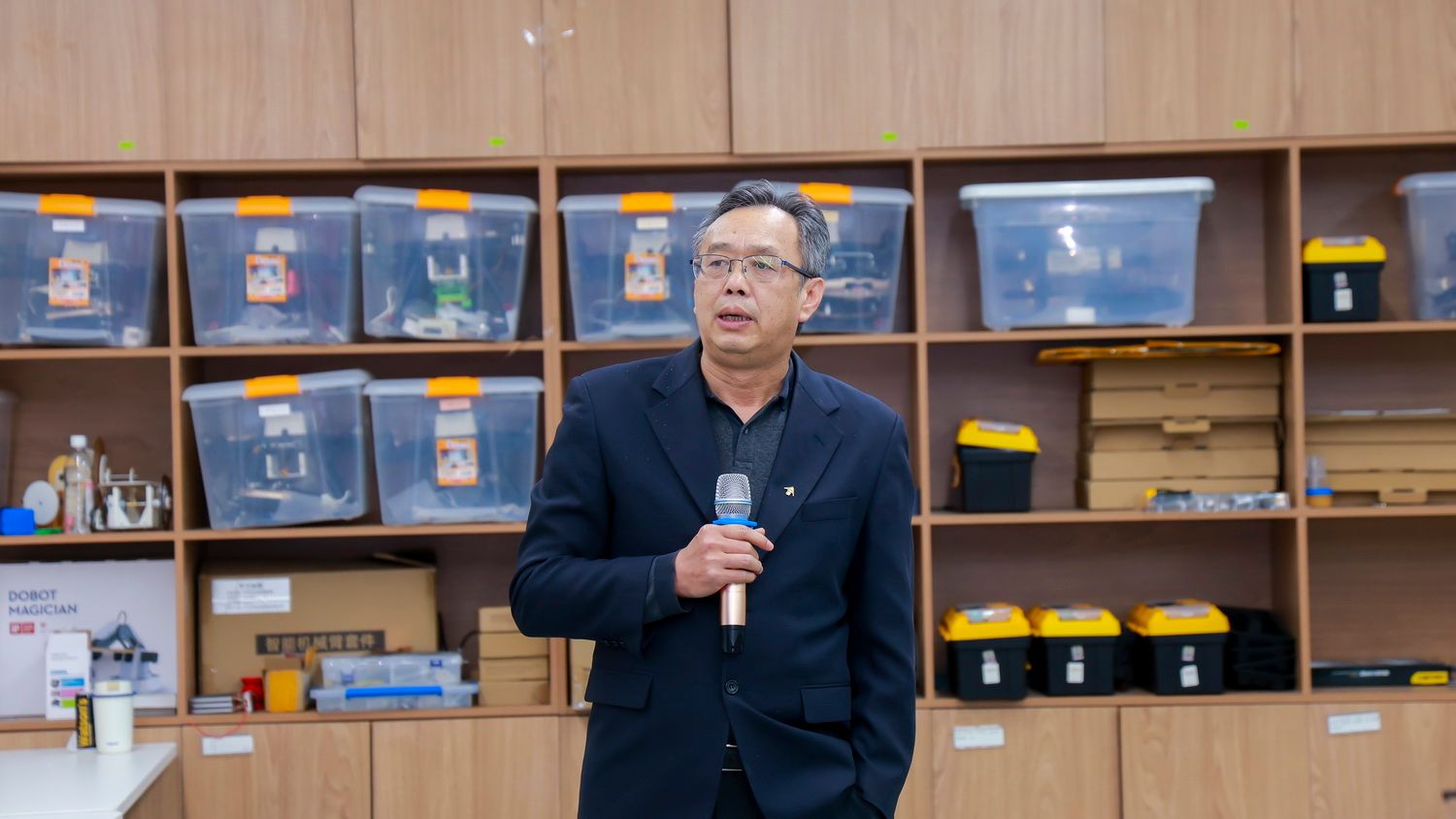
Ms. LU Binyu, Assistant Manager of International Training Operations, Alibaba Cloud Intelligence Technology Co., Ltd., shared practical examples of AI empowering corporate innovation: "Cloud platforms are lowering the barriers to technological application. Future engineers will need both the ability to use AI tools and keen industry insight." She proposed building a talent cultivation system adapted to global competition through industry-academia collaboration. Mr. Qiu Junting, Technical Director of Middol Technology, also shared his in-depth reflections on innovation-driven entrepreneurship practices.
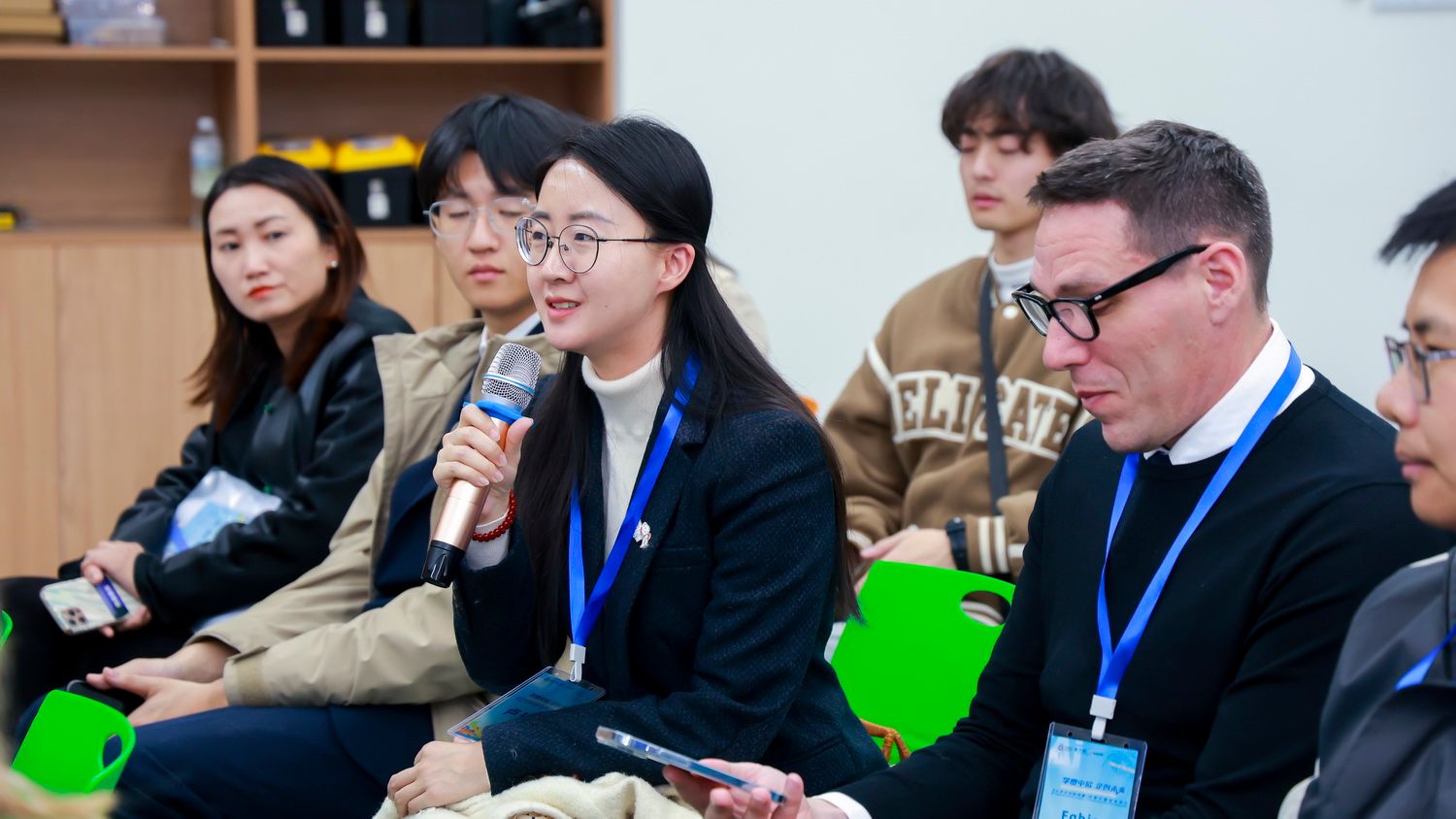
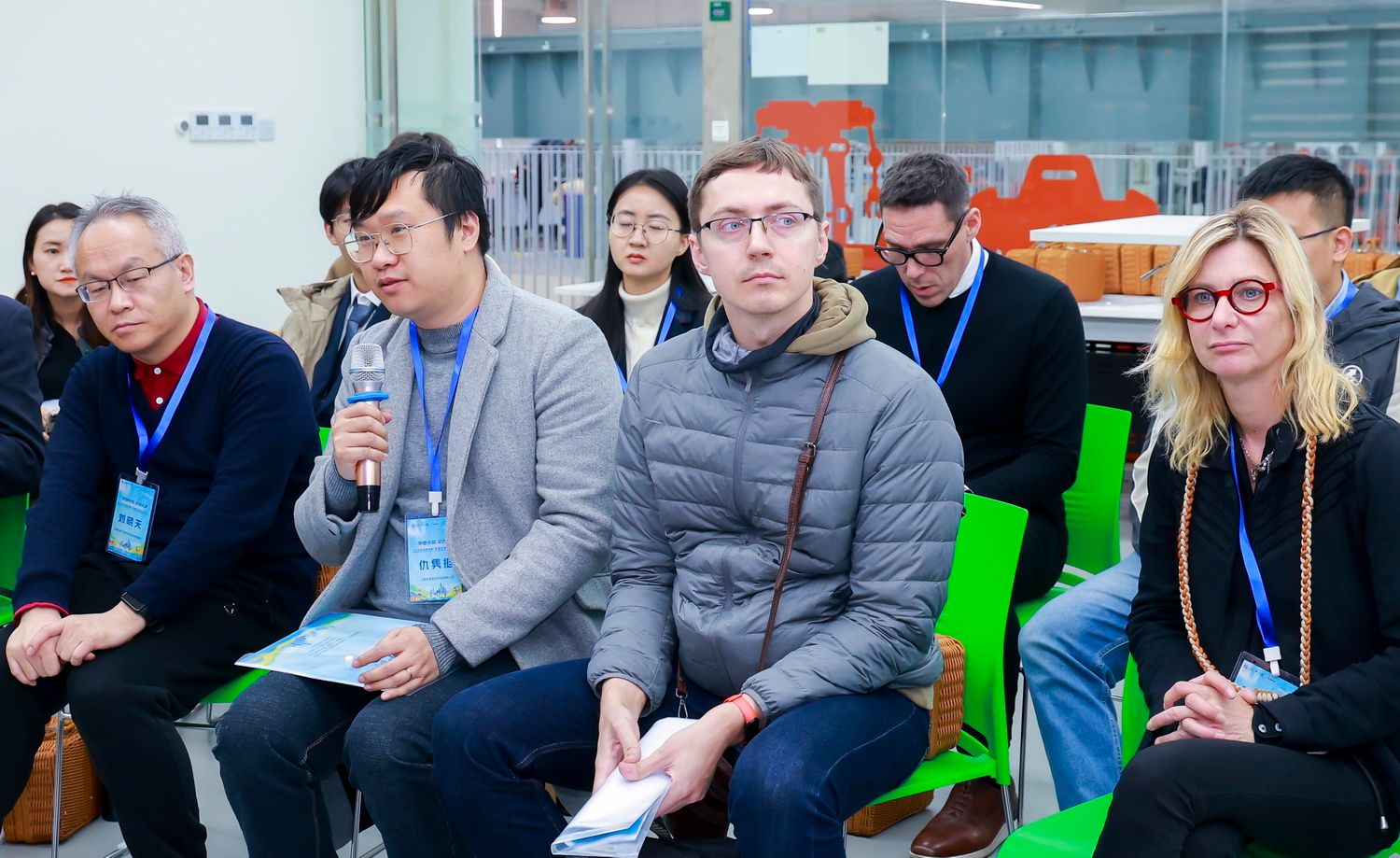
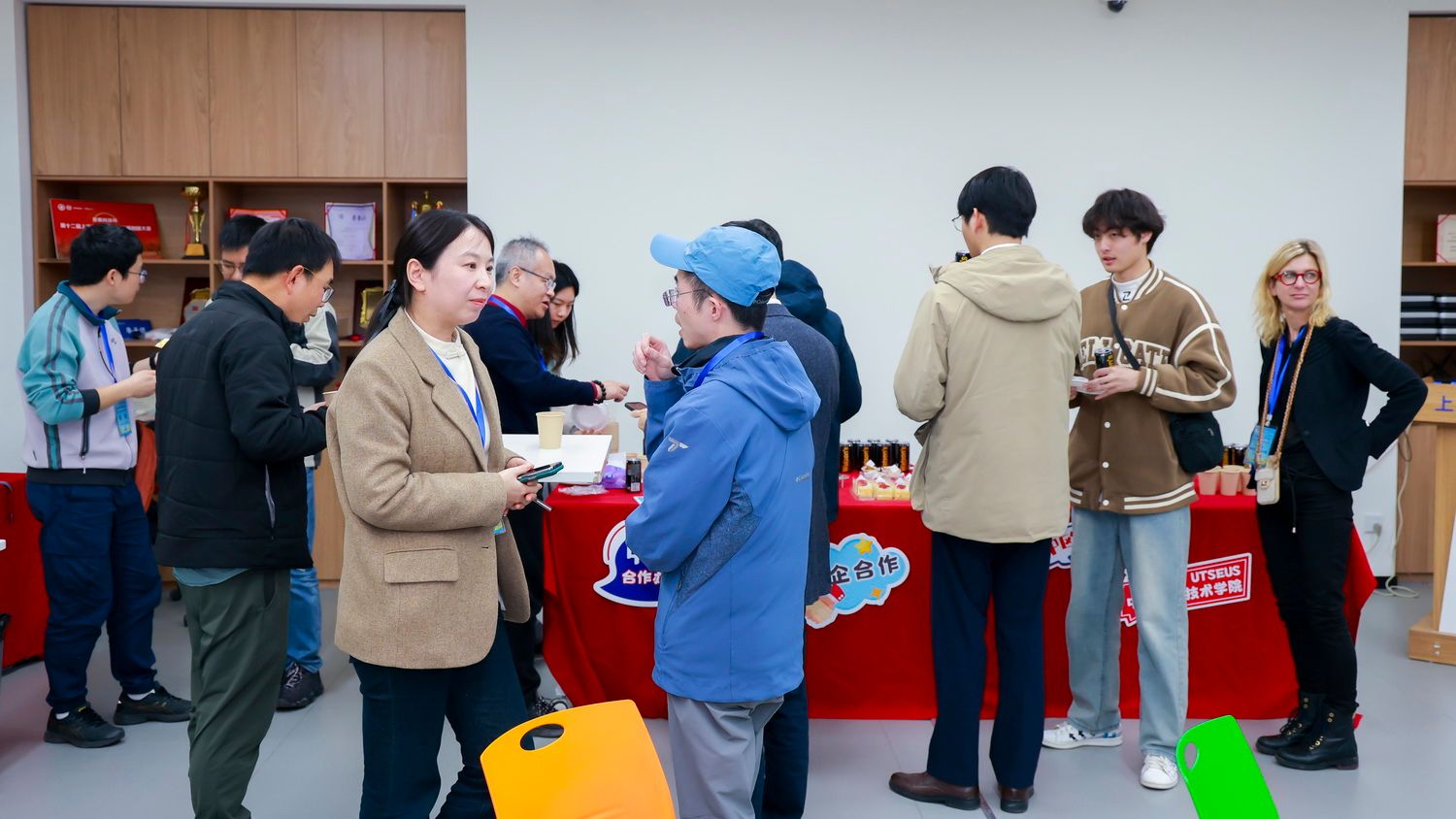
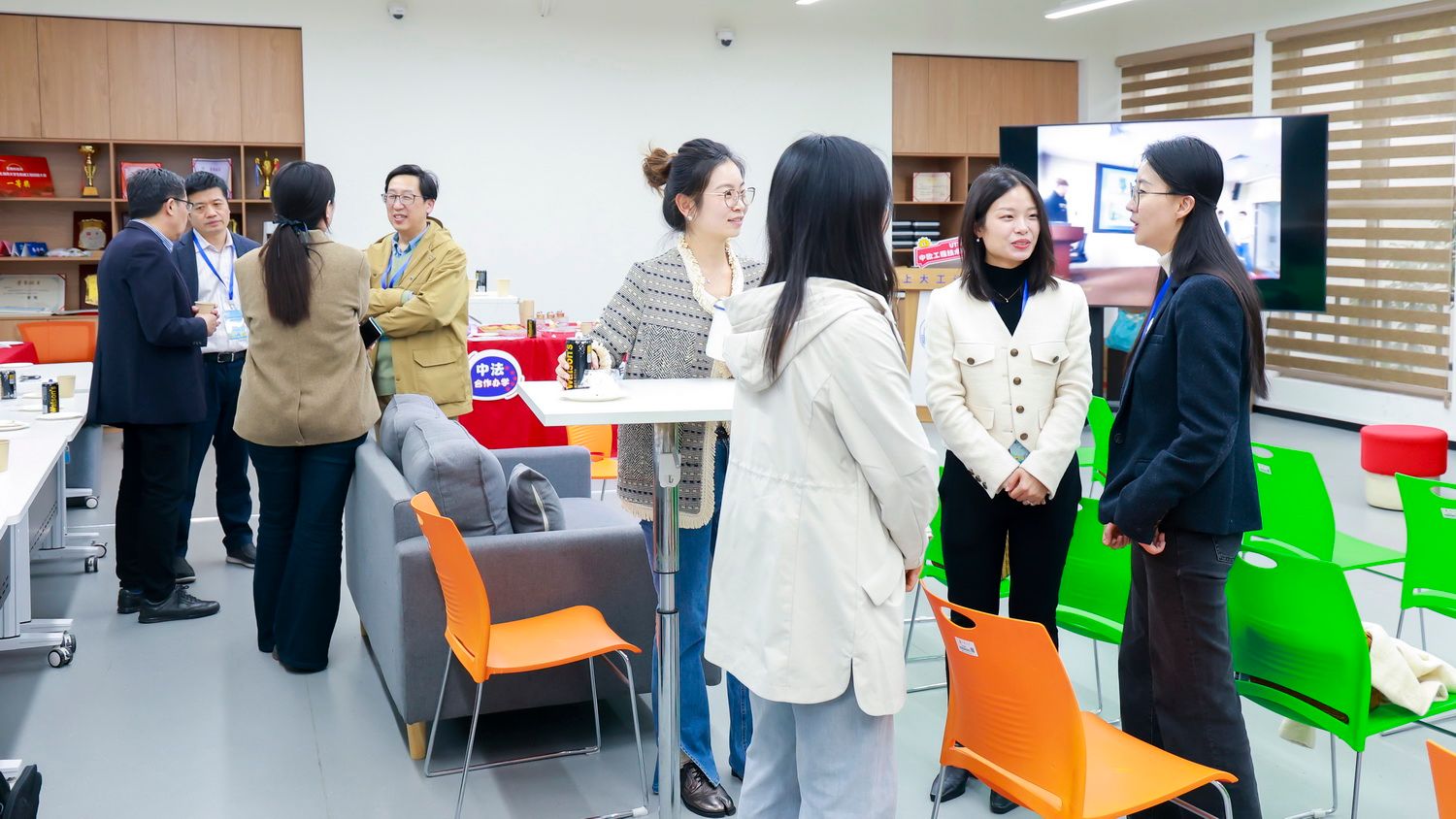
During the informal networking session over coffee at the corporate salon, the atmosphere was relaxed and lively. University representatives and corporate guests engaged in lively discussions, sparking ideas and building consensus through dialogue. This provided a valuable opportunity for in-depth communication, allowing both sides to explore collaboration potential and jointly strategize on innovative development.
This UTSEUS corporate salon further clarified the university's disciplinary strengths and research resources. By starting from the practical pain points of enterprises, discussions explored optimal directions for talent pipeline development. Corporate representatives identified synergies with UTSEUS in fields such as smart manufacturing and the digital economy, laying the groundwork for subsequent in-depth cooperation. Through feedback on talent needs, companies can promote dynamic adjustments to the university's training strategies. By building a "grand stage for talent development" together with its partner companies, UTSEUS injects renewed vitality into industry-academia collaboration, supporting its mission of cultivating high-caliber, internationally-oriented engineers.