On the afternoon of December 14, 2018, a Hackathon event named Urban Data Challenge was held at the Agora Space in Shanghai. The event was hosted by UTSEUS, with 45 students from 5 countries and 9 different universities (including Shanghai University, Tongji University, Tsinghua University and ESSCA business school) under the guidance of 10 instructors from universities and enterprises. The event lasted from 2 pm, December 14th to 10 pm the next day, lasting for 30 consecutive hours.
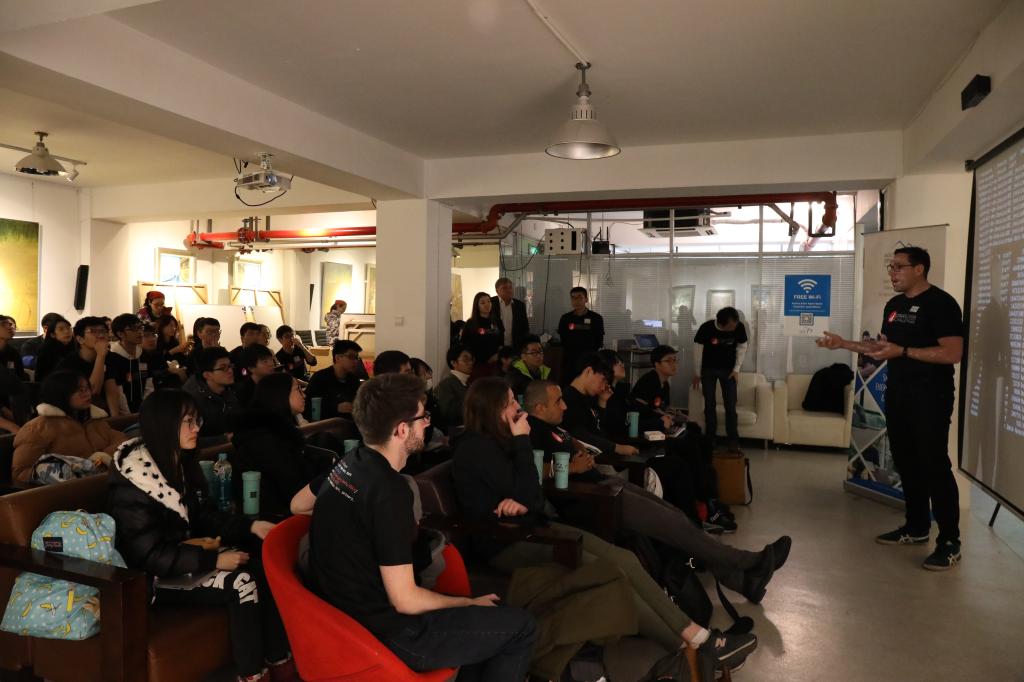
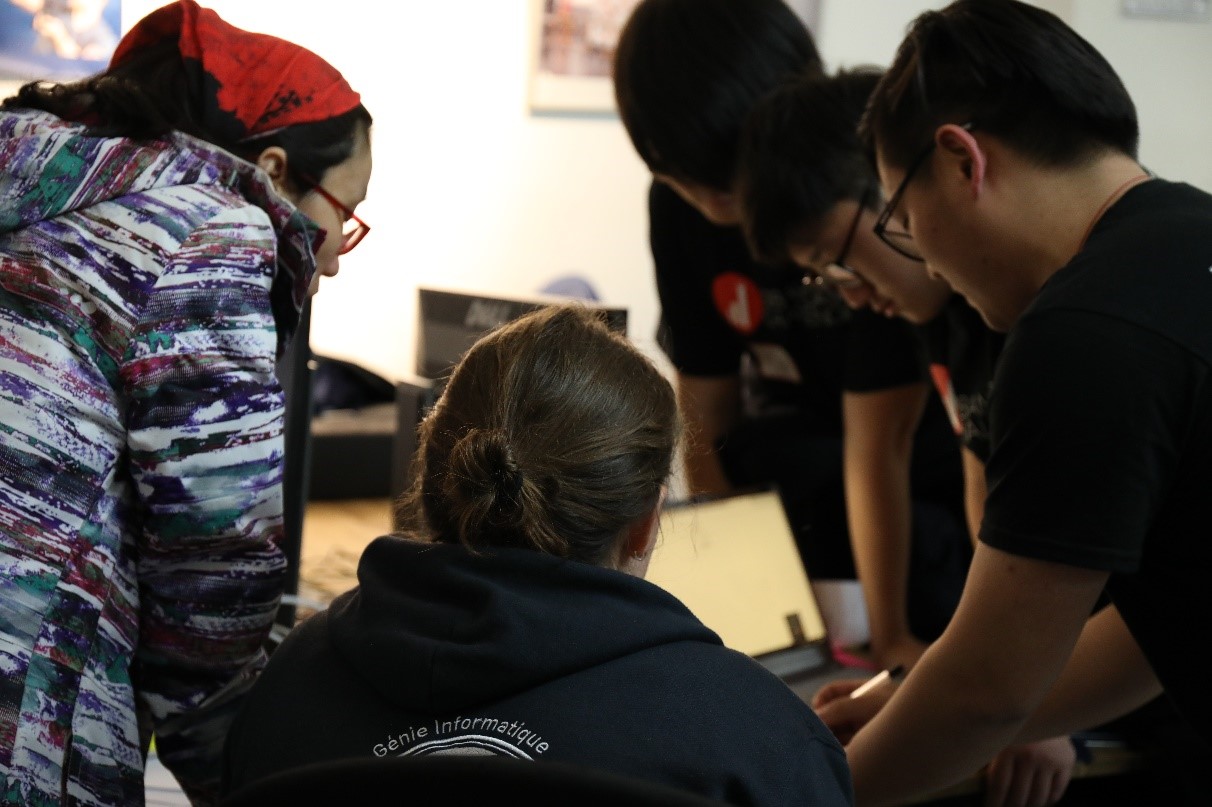
This 30-hour hackathon aims to help students and young professionals understand the opportunities created by the new age of data. It will further challenge them to develop solutions in an intensive, limited time frame, while working within interdisciplinary teams of engineers, designers, and business Master-level students. The contestants were provided with raw data and they were asked to transform the available city data into an innovative program that can serve for the construction of a smart city through 30 hours of teamwork. Throughout the event, professionals of data science would provide guidance while allowing the contestants to explore project development freely. At the conclusion of the 30-hour hackathon, seven teams will demonstrate their proposed solutions to an audience comprised of other students, faculty members, mentors and judges.
At 2 pm on the 14th, Marc BONDIOU, French Dean of UTSEUS, gave an opening speech, expressing support for the event and encouragement to the students. The instructors expressed their expectations of the students and outlined the process and rules of the competition. Afterwards, each contestant took turns to speak on the stage, showing their personal interests and areas where they wanted to innovate. Contestants freely formed teams according to the ideas presented by the former speakers and then started their 30-hour innovative design.
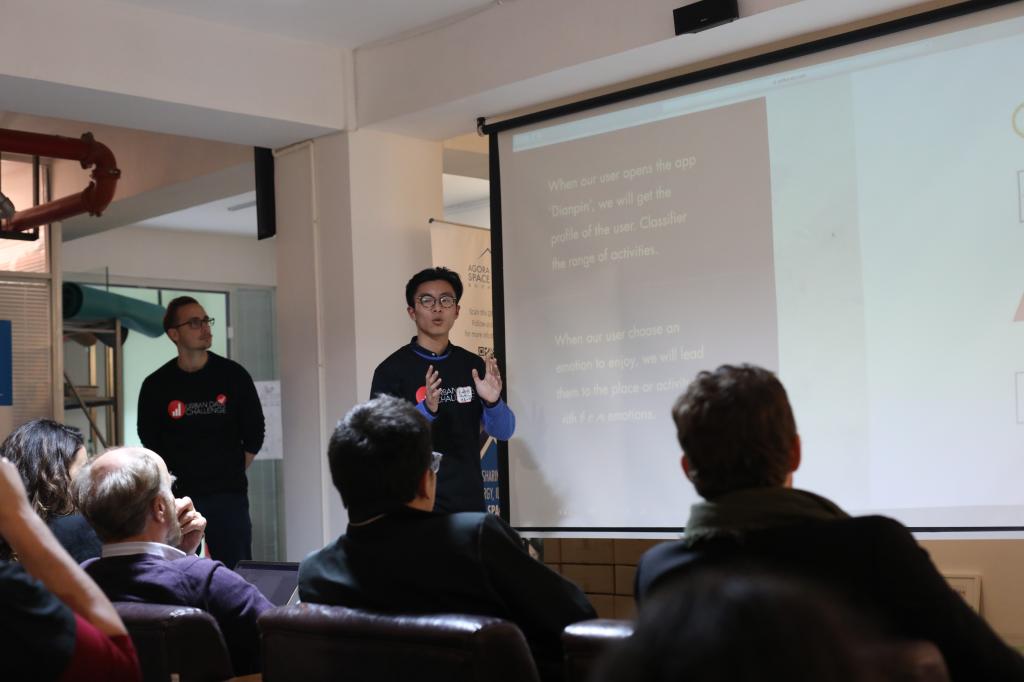
During the whole competition, there were five collective discussions. Each group demonstrated their present achievements in the discussion, and the instructors made comments with suggestions. At 8:30 pm on the 15th, each team presented their final model results in an eight-minutes presentation, and reported on their data analysis, planning and publicity, business model and product demonstration. According to the performance of all the contestants, the mentors made the final assessment and evaluation. Finally, the winners of the five awards were announced.

Mentor Fabien Pfaender says that this competition can effectively improve students’actual skills to read, clean, transform, explore and analyze the data to create valid models in a short amount of time. It also helps students to realize that creating value from data is a complex teamwork process which requires centric traditional education. And the participants fully acknowledged the value and significance of the event and expressed their gratitude in benefitting from the event, which made them recognize the importance of professional education and system training in the field of data science.
“Hackathon”, originated in the United States, is an activity in which computer programmers and other software development-related personnel are grouped together to perform computer programming. The length of hackathon generally ranges from a few days to a week. The essence of the event is that people from different fields of expertise gather together for a specific period of time to do an intensive program design and development. In recent years, with the popularity of smart phones, hackathon has gradually become the main form of plug-in development: a group of professionals gather together to develop a plug-in software in dozens of hours. When they are tired, they rest on the spot. They do not leave the place until they finish the work in a limited time. Therefore, hackathon is regarded as “the coolest carnival of developers in the world”.

Find more information on the website for this event: www.urbandatachallenge.com